

Anger can damage communication, break trust, and create emotional distance. Many couples, families, and professionals struggle with anger in relationships without realizing how deeply it affects their daily life. Uncontrolled reactions also hurt work performance, teamwork, and decision-making.
Anger can shape both your personal and professional life, influencing how you think, react, and connect with others. Understanding what triggers it and recognizing early warning signs can prevent small frustrations from turning into bigger problems.
With the right support, Anger Management Counseling therapy helps restore emotional balance, improves communication, and strengthens relationships at home and at work.
How Anger Shapes Your Relationships And Work?
Anger can greatly affect your daily life, ultimately influencing your work, life, and relationships. Therefore, it is highly important that you take steps to control your anger.
How Does Anger Affect Daily Relationships?
Anger affects relationships by breaking emotional safety and connection. When someone reacts with irritation, yelling, or withdrawal, the other person feels unsafe. Over time, this creates walls and distance.
Anger shows up in relationships through:
- Snapping over small issues
- Shutting down during conflicts
- Passive-aggressive behavior
- Criticizing or blaming
- Difficulty apologizing
- Feeling attacked even when no one is attacking
These behaviors make it hard to communicate honestly. Instead of solving problems, anger causes more arguments and resentment.
How Does Anger Create Emotional Distance?
Anger creates distance by replacing warmth with tension. When you react with frustration often, people stop sharing their feelings around you.
Loved ones may start to:
- Hide their opinions
- Avoid conversations
- Walk on eggshells
- Fear emotional reactions
- Shut down emotionally
This emotional gap slowly damages connection. Over time, the relationship feels cold and disconnected.
Why Are Small Arguments Worse When Anger Builds Up?
Small arguments worsen because anger builds inside the body. When you don’t express feelings calmly, they accumulate until they explode.
This buildup often comes from:
- Stress
- Past hurt
- Feeling misunderstood
- Fear of losing control
- Unresolved emotional wounds
This is one of the strongest anger triggers in relationships.
How Does Anger Affect Communication?
Anger affects communication by making conversations defensive. Instead of listening, you react. And instead of understanding, you assume. Because of this, the conflicts become more exaggerated and take more time to resolve.
You may:
- Interrupt
- Raise your voice
- Use harsh words
- Misinterpret tone
- Focus on winning, not understanding
Healthy communication requires calmness. Without it, every discussion becomes a fight.
How Does Anger Impact Work Performance?
Anger affects work by lowering productivity, concentration, and teamwork. It also harms your professional reputation.
Common work problems caused by anger include:
- Overreacting to feedback
- Struggling with deadlines under pressure
- Conflict with coworkers
- Difficulty cooperating in meetings
- Impulsive decisions
- Lack of emotional control in stressful moments
Uncontrolled anger also affects your leadership. People find it hard to trust someone who reacts emotionally instead of responding thoughtfully.
How Do Anger Issues Affect Your Health?
Anger affects physical and mental health. Your body holds on to stress hormones each time you react intensely. This can lead to anger health issues such as:
- Headaches
- High blood pressure
- Sleep disturbances
- Anxiety
- Chest tightness
- Stomach problems
- Weakened immunity
Over time, anger becomes exhausting. Your health and relationships both suffer.
Why Does Anger Turn Into Guilt Later?
Anger becomes guilt because your reactions do not match your true intentions.
You do not want to hurt people, but anger pushes you to say things you regret.
People often feel guilty because:
- Their tone was too harsh
- They acted impulsively
- They scared a loved one
- They reacted emotionally instead of listening
- They repeated old behaviors they promised to change
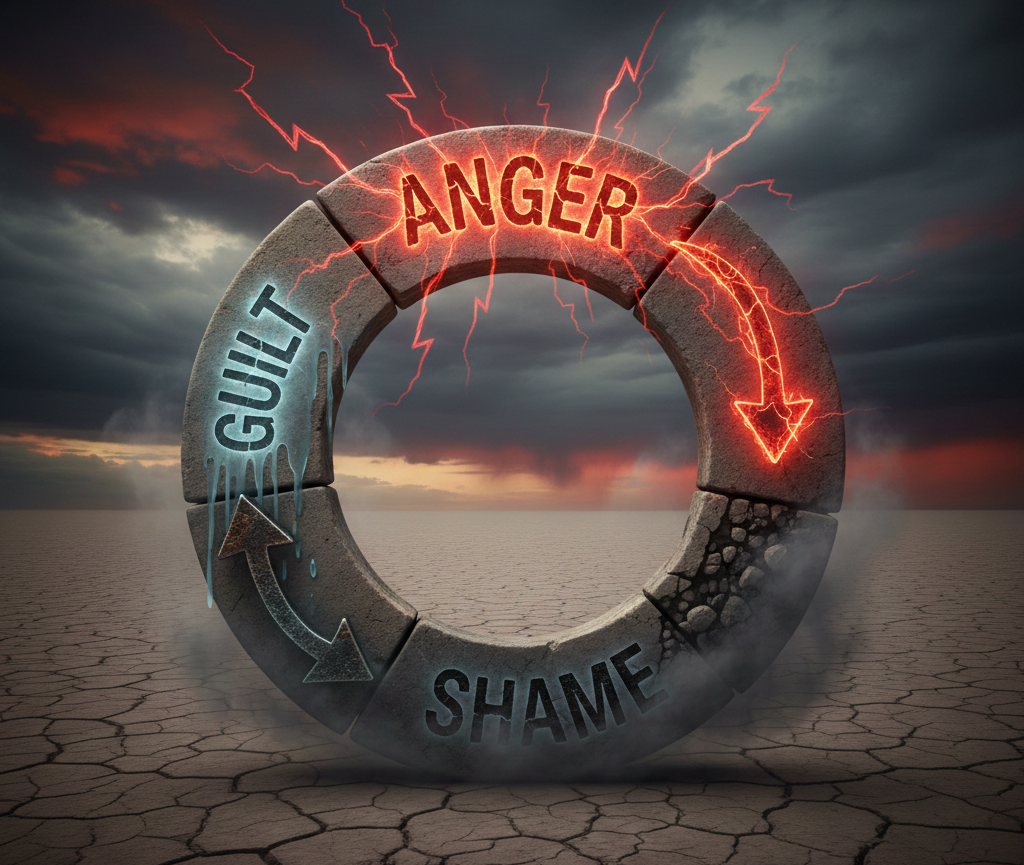
This creates a painful cycle:
Anger → Guilt → Shame → More anger.
What Are Signs That You Need Support With Anger?
You may need help when anger starts affecting your relationships, work, or inner peace.
These are the clear Signs You Need Anger Management Therapy:
- You overreact to small issues
- People avoid conversations with you
- You feel irritated most of the time
- Your partner complains about your temper
- You lose control during stress
- You shut down or explode during conflicts
- You regret your reactions afterward
- You feel tension in your body all the time
If these sound familiar, support can help you change the pattern.
How Can You Start Learning to Control Anger?
You can control anger by understanding your triggers and using calming tools before reacting.
Simple techniques include:
- Stepping away before responding
- Deep breathing
- Reframing thoughts
- Using a softer tone
- Writing feelings instead of reacting instantly
- Practicing mindfulness
- Communicating needs clearly
Learning how to control anger takes practice, but it is possible for everyone.
How Does Therapy Help Fix Anger in Relationships?
Therapy helps by teaching emotional awareness and healthy communication. In Anger Management Counseling therapy, you learn how to respond calmly, identify triggers, and repair emotional damage.
Therapy helps you:
- Understand why you react the way you do
- Change unhealthy communication patterns
- Build empathy with your partner
- Improve emotional control
- Strengthen connection and trust
- Break the cycle of conflict
- Heal from old emotional wounds
Each Anger Management Session gives you tools to stay calm even during difficult conversations.
What Are the Benefits of Managing Anger Properly?
Managing anger gives you emotional freedom. It improves your relationships, work life, and confidence.
The key Benefits of Anger Management include:
- Better communication
- More peace at home
- Stronger emotional connection
- Less stress
- Improved mental clarity
- Better health
- Happier relationships
- Increased self-control
With support, your reactions become calm, clear, and balanced.
FAQs
1. Does anger always come from stress?
No. Anger can come from fear, past experiences, communication issues, or emotional overload.
2. Can anger ruin a healthy relationship?
Yes. Repeated anger breaks trust, safety, and connection over time.
3. Is therapy only for severe anger issues?
No. Therapy helps anyone who wants healthier reactions and better communication.
4. Can anger affect career growth?
Yes. Emotional outbursts can damage professional reputation and teamwork.
5. How soon does therapy help?
Most people notice improvements within weeks when they attend regularly and practice the tools.
Conclusion
Uncontrolled reactions hurt communication, create distance, and damage emotional connection. Many couples and professionals silently struggle with anger in relationships, stress, and emotional overload. But you can break this pattern. With Anger Management Counseling therapy, fear-driven reactions become calm responses, and relationships become safe again.
Doc Bunnys Ki Builder can guide you toward healthier communication, emotional control, and long-term peace. Start rebuilding your life today.